




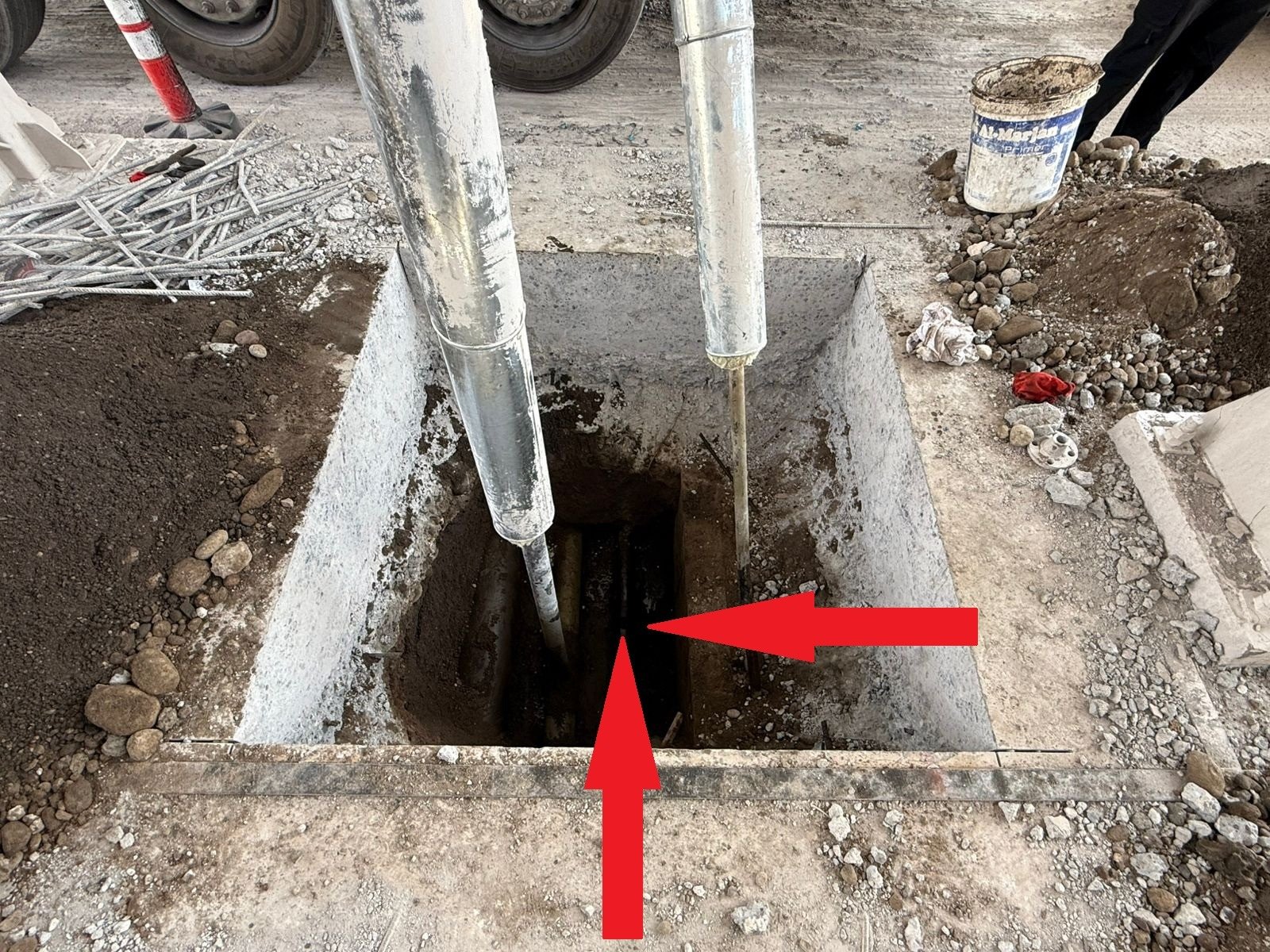
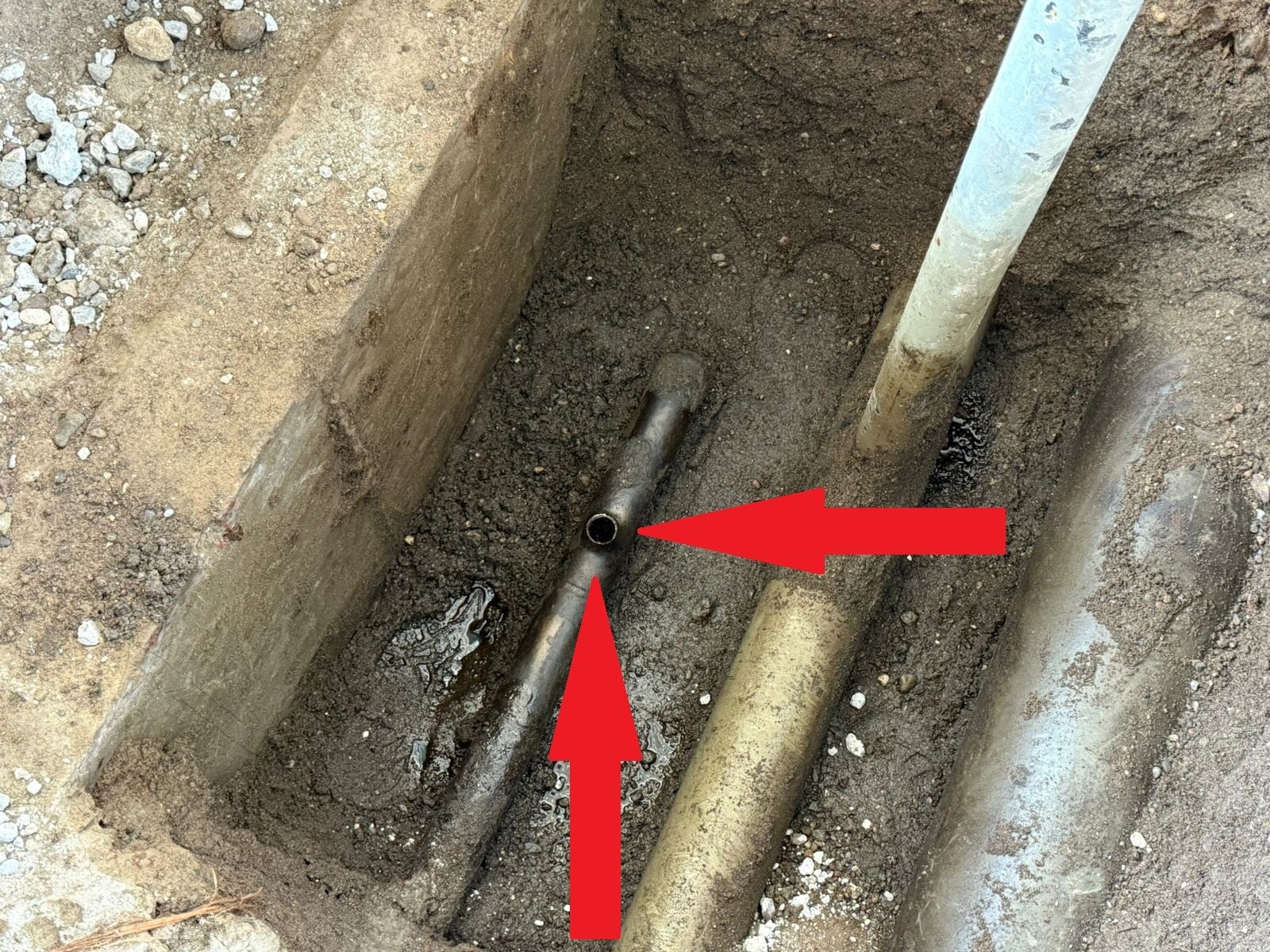
Underground Pipe Leak Detection Using Helium Tracer Gas
Buried pipelines are critical infrastructure — yet leaks in underground systems often go undetected for extended periods, causing progressive product loss, soil and groundwater contamination, regulatory exposure, and ultimately costly emergency repairs. Conventional detection methods frequently require extensive excavation, service interruption, or produce imprecise results that miss the exact leak location entirely.
At Tanqeb, we use helium tracer gas technology to locate leaks in buried pipelines with exceptional precision — non-destructively, without unnecessary digging, and in most cases without interrupting operations.
Why Helium?
Helium’s physical properties make it uniquely effective for underground leak detection:
Property | Advantage |
Smallest molecular size | Penetrates through soil, pavement, and backfill rapidly after escaping a leak point |
Chemically inert | Non-toxic, non-flammable, and non-reactive — safe for all pipeline services including hazardous media |
Low atmospheric background | Present at only ~5 ppm in air, providing a highly reliable signal-to-noise ratio |
High diffusivity | Migrates quickly through soil and reaches the surface within hours of escaping a leak |
How It Works
Method 1: Helium Injection into Operating Pipelines
No shutdown required
For pipelines that can remain in service, helium is introduced directly into the flowing medium:
- Injection — Helium is injected into the pipeline and mixes with the flowing product — water, hydrocarbons, chemicals, or other media
- Leak Escape — At any defect point, the helium-containing medium escapes into surrounding soil
- Surface Migration — Dissolved helium desorbs from escaping liquid and migrates rapidly upward through the soil column
- Surface Detection — Sensitive helium detectors scan the ground surface along the pipeline route, identifying elevated concentrations that pinpoint the leak
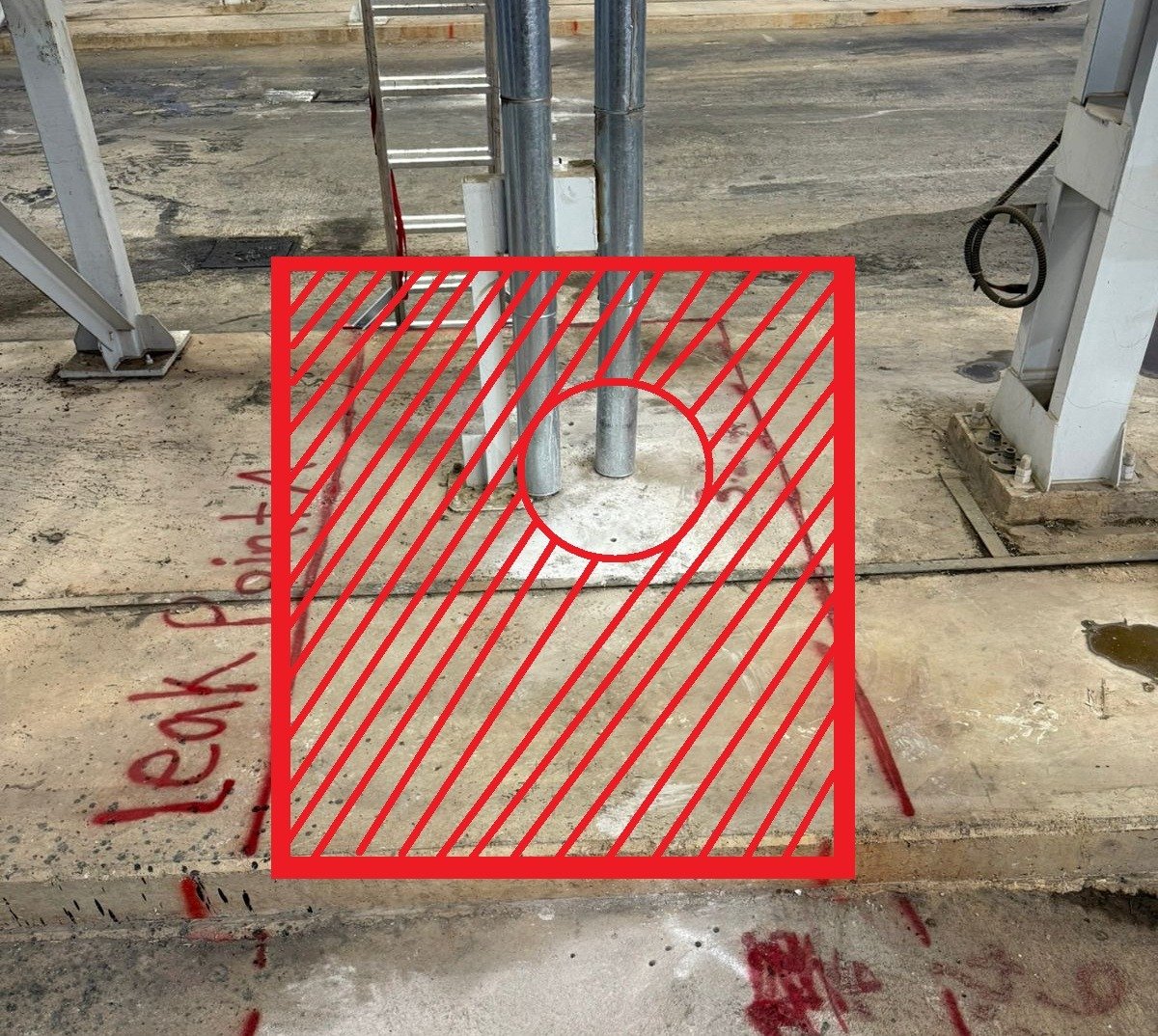
- Precise Marking — The exact leak position is marked for targeted excavation and repair
This method requires no supply interruption, no line draining, and no coordination with end users.
Method 2: Tracer Gas Testing for Isolated Pipelines
For lines taken out of service or new construction
- Pipeline Preparation — The line is isolated and cleared of product
- Helium Pressurization — The pipeline is pressurized with a helium-nitrogen mixture
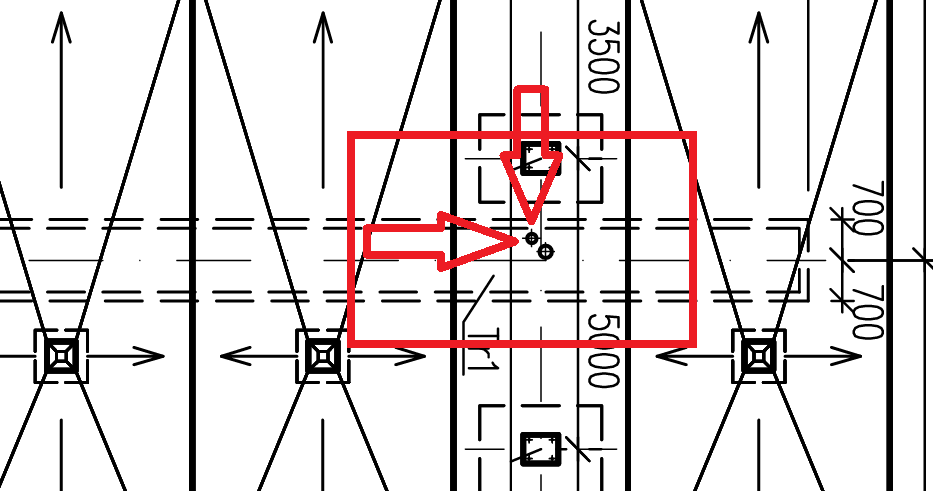
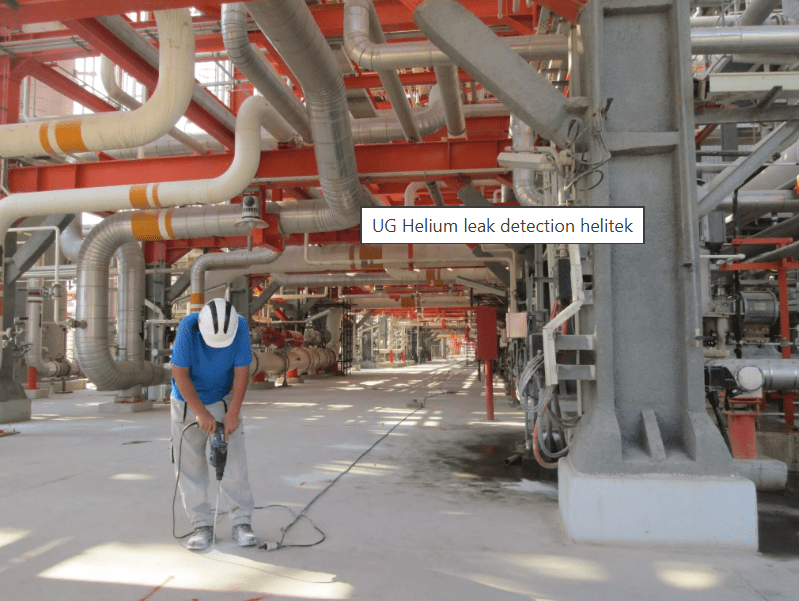
- Surface Grid Sampling — Test holes are drilled at predetermined intervals along the pipeline route
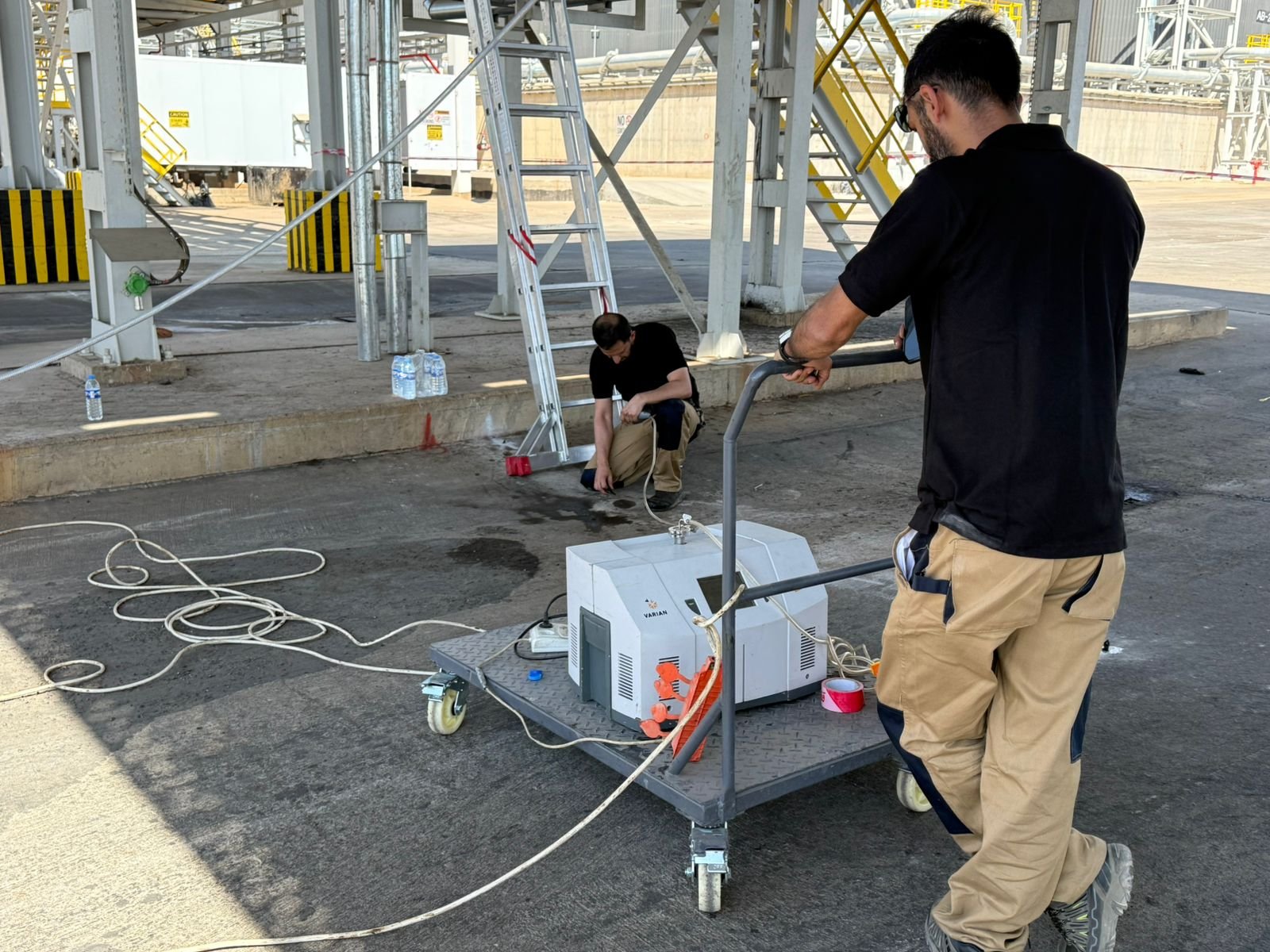
- Gas Detection — A highly sensitive helium detector samples air from each test hole
- Leak Identification — Helium presence at any test hole confirms and localizes the leak
This approach detects leaks as small as microscopic cracks and is suitable for both pressurized and gravity-flow pipelines.
Key Advantages
Advantage | Details |
No Service Interruption | Leaks detected while the pipeline remains fully operational |
Minimal Excavation | Digging required only at the confirmed leak location — not along the entire route |
High Accuracy | Leak pinpointed within meters, eliminating guesswork and over-excavation |
No False Positives | Very low natural helium background ensures every detection indicates an actual leak |
Works for All Media | Suitable for water, hydrocarbons, chemicals, steam, and gases |
Non-Destructive | No damage to pipeline, pavement, or surrounding infrastructure |
Rapid Results | Leak locations identified within hours of helium injection |
Our Process
Phase | Description |
Pre-Assessment & Planning | Pipeline drawings, operating conditions, and site access reviewed to develop a tailored detection plan with defined injection points and surface sampling grids |
Helium Injection | Helium injected into the operating line or used to pressurize an isolated section, depending on service requirements |
Surface Scanning | Technicians systematically scan the pipeline route using sensitive helium detectors, or sample from pre-drilled test holes for isolated lines |
Leak Localization | Detection area gridded more tightly to pinpoint the exact leak location with precision |
Marking & Documentation | Leak locations clearly marked; comprehensive report issued including route map, helium concentration readings, GPS coordinates, and repair recommendations |
Post-Repair Verification | Follow-up testing confirms successful leak elimination and restored pipeline integrity |
Technical Capabilities
- Detection sensitivity down to parts-per-billion using helium mass spectrometers and portable detectors
- Depth capability through several meters of soil, pavement, and backfill — sufficient for the vast majority of buried industrial pipelines
- Zero false positives — helium’s near-zero atmospheric background means any significant detection reliably indicates an actual leak
Applications
Industrial Pipelines
- Hydrocarbon transfer lines
- Chemical process piping
- Cooling water circuits
- Steam and condensate lines
- Compressed air and gas lines
Utility Pipelines
- Fire water mains
- Potable water distribution
- District heating and cooling networks
- Sewer and wastewater lines
Storage & Terminal Facilities
- Underground storage tank connections
- Loading and unloading lines
- Interconnecting pipework between facilities
Safety & Environmental Benefits
- Emissions Reduction — Early detection prevents ongoing product loss and fugitive emissions
- Environmental Protection — Identifies leaks before soil or groundwater contamination occurs
- Personnel Safety — Locates hazardous material leaks without exposing workers to direct risk
- Regulatory Compliance — Supports environmental reporting and leak detection obligations
Industries We Serve
- Oil and Gas Production Facilities
- Refineries and Petrochemical Plants
- Chemical Processing Facilities
- Power Generation Plants
- LNG Terminals and Storage Facilities
- Water and Wastewater Utilities
- District Heating and Cooling Networks
- Industrial Manufacturing Facilities
The Tanqeb Commitment
Every underground leak detection project is executed by trained technicians using calibrated, high-sensitivity instrumentation — with full documentation provided for regulatory, maintenance, and asset integrity records.
Tanqeb finds the leak. Precisely. Without tearing up your site.
