




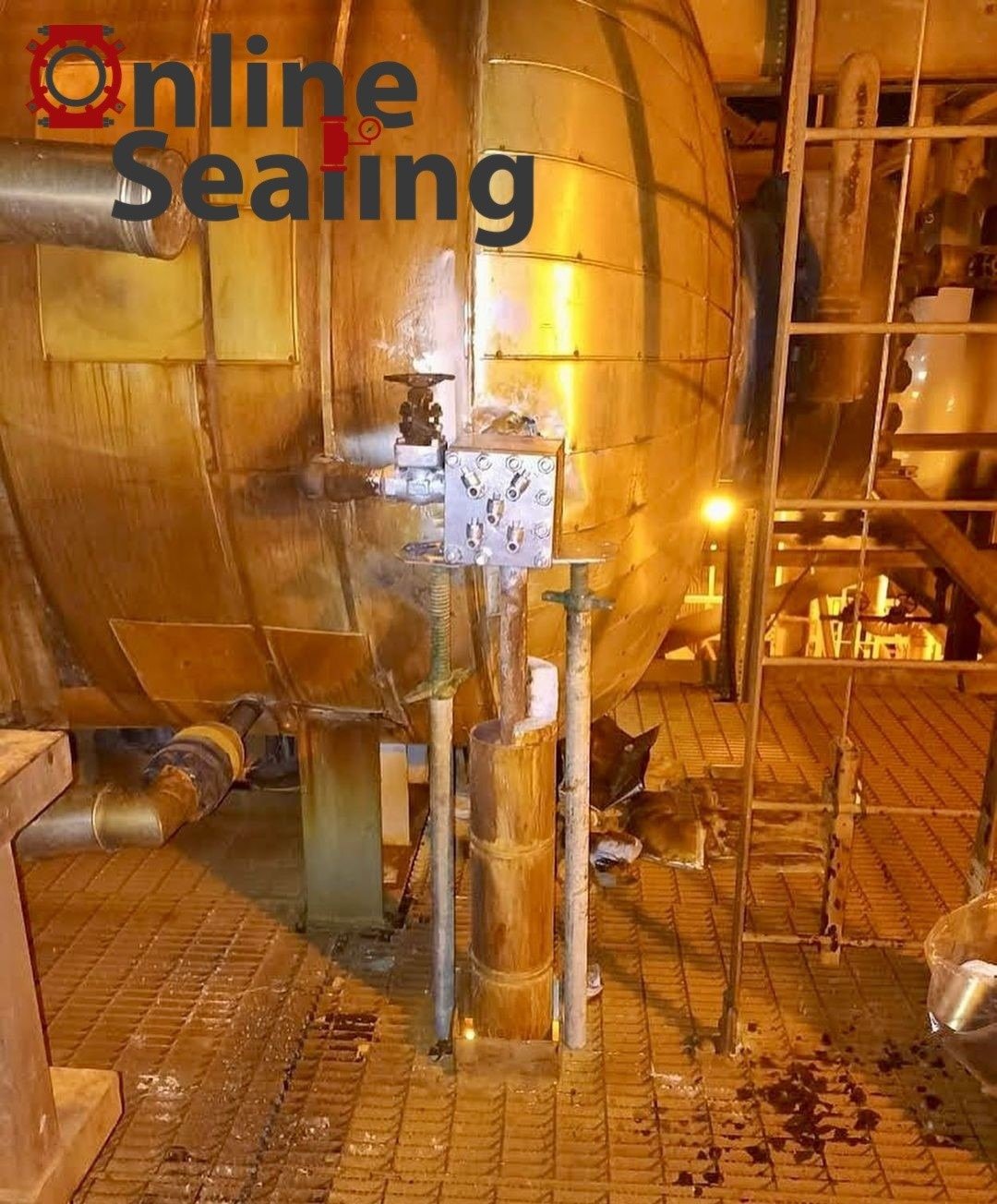
Online Leak Sealing Services
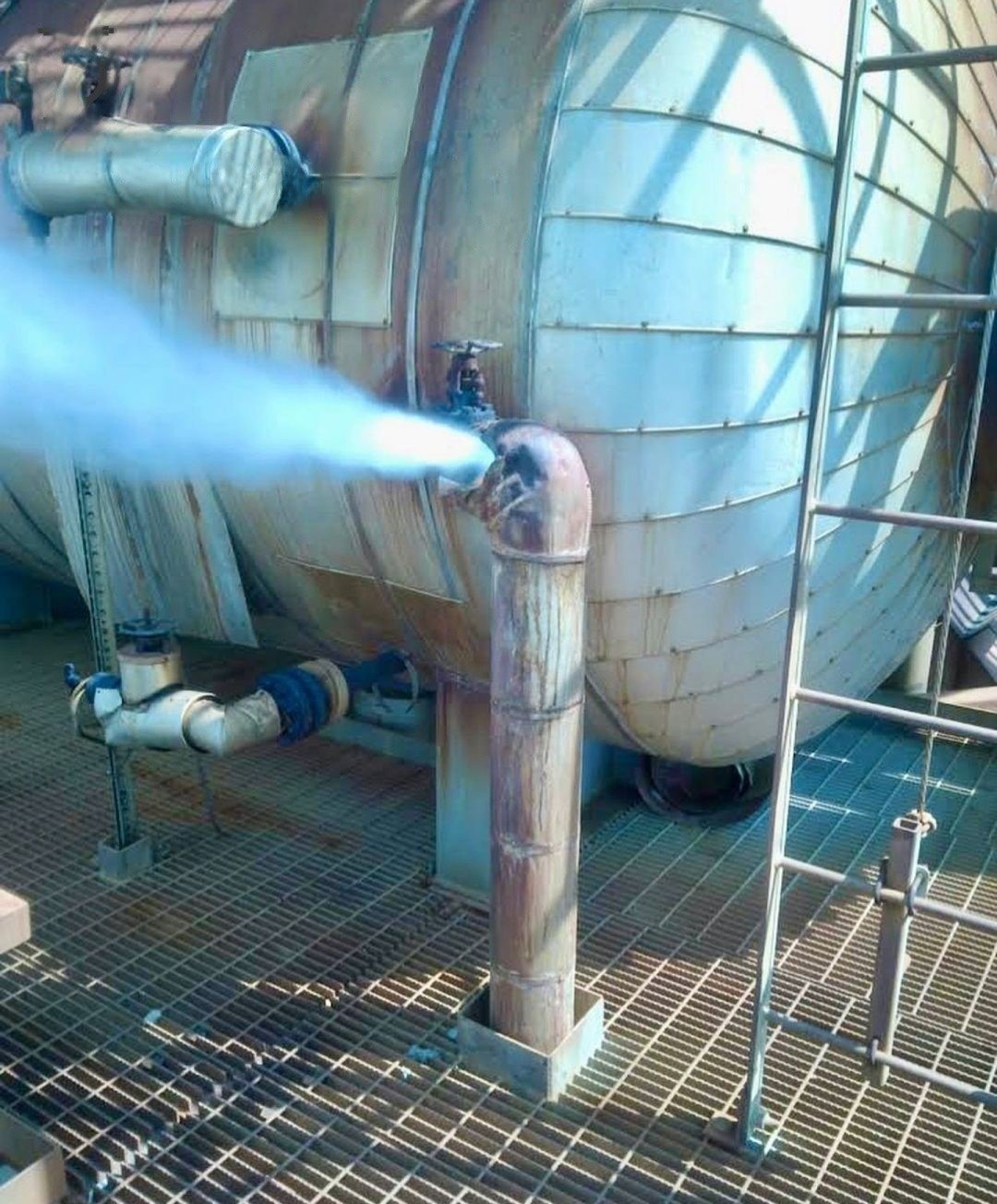
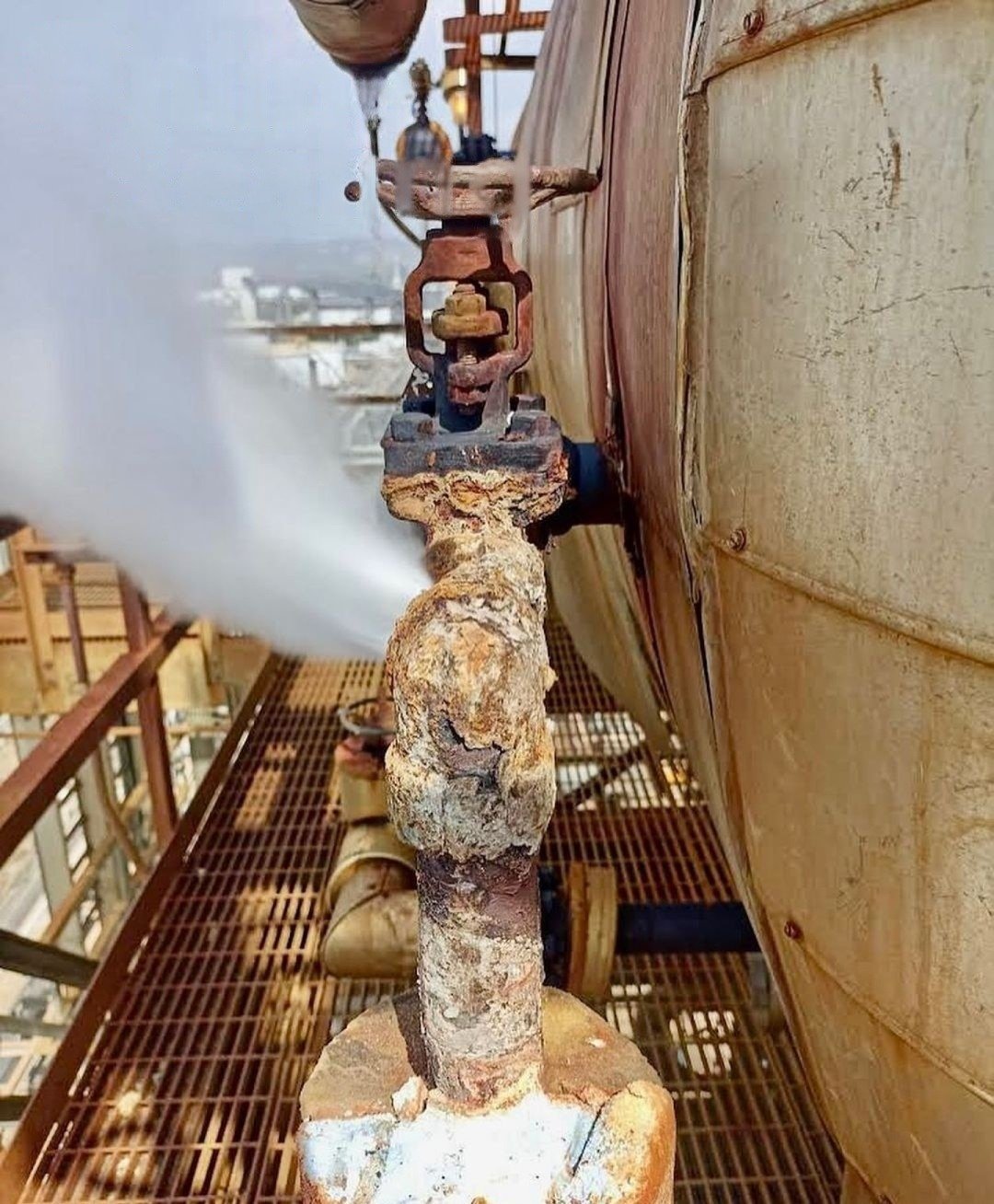
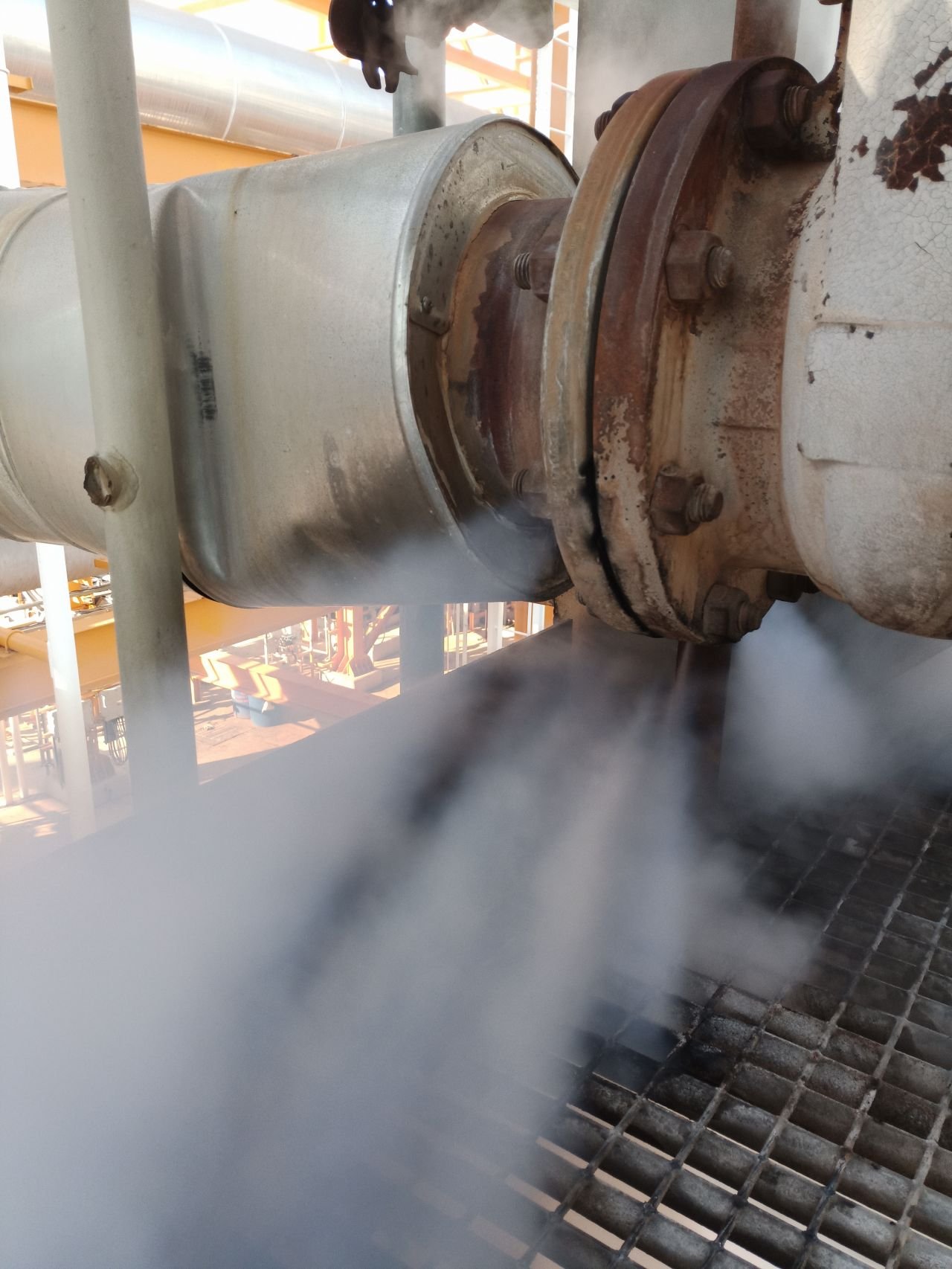
An active leak in a pressurized system is not just a maintenance issue — it is an immediate safety risk, an environmental liability, and a source of continuous production loss. Conventional repair methods demand shutdown, depressurization, and isolation, translating directly into costly downtime and lost revenue.
At Tanqeb, we eliminate that trade-off. Our online leak sealing services stop active leaks in pipelines, valves, flanges, and vessels while your plant continues to operate at full capacity — no shutdown, no depressurization, no production loss.
What Is Online Leak Sealing?
Online leak sealing is a specialized engineering technique that contains and stops leaks in pressurized systems while they remain fully in service. Using custom-engineered enclosures and purpose-formulated sealants, we restore system integrity without requiring hot work, system drainage, or operational interruption.
Key Benefits
Benefit | Details |
Zero Downtime | Operations continue uninterrupted — no production losses, no emergency shutdowns |
Immediate Response | Leaks contained rapidly, preventing escalation and limiting safety exposure |
Cost Efficiency | Eliminates emergency shutdown costs, system drainage, and extended outage expenses |
Environmental Protection | Reduces fugitive emissions and prevents product release to the environment |
Noise Reduction | Eliminates the high-decibel noise signature of escaping high-pressure gases and steam |
Regulatory Compliance | Supports adherence to emissions regulations and environmental reporting requirements |
Applications
Our online leak sealing services address leaks across a wide range of equipment and components:
Pipes & Weld Joints
Through-wall defects, pinhole leaks, cracks, and erosion damage — repaired without cutting, isolating, or replacing pipe sections.
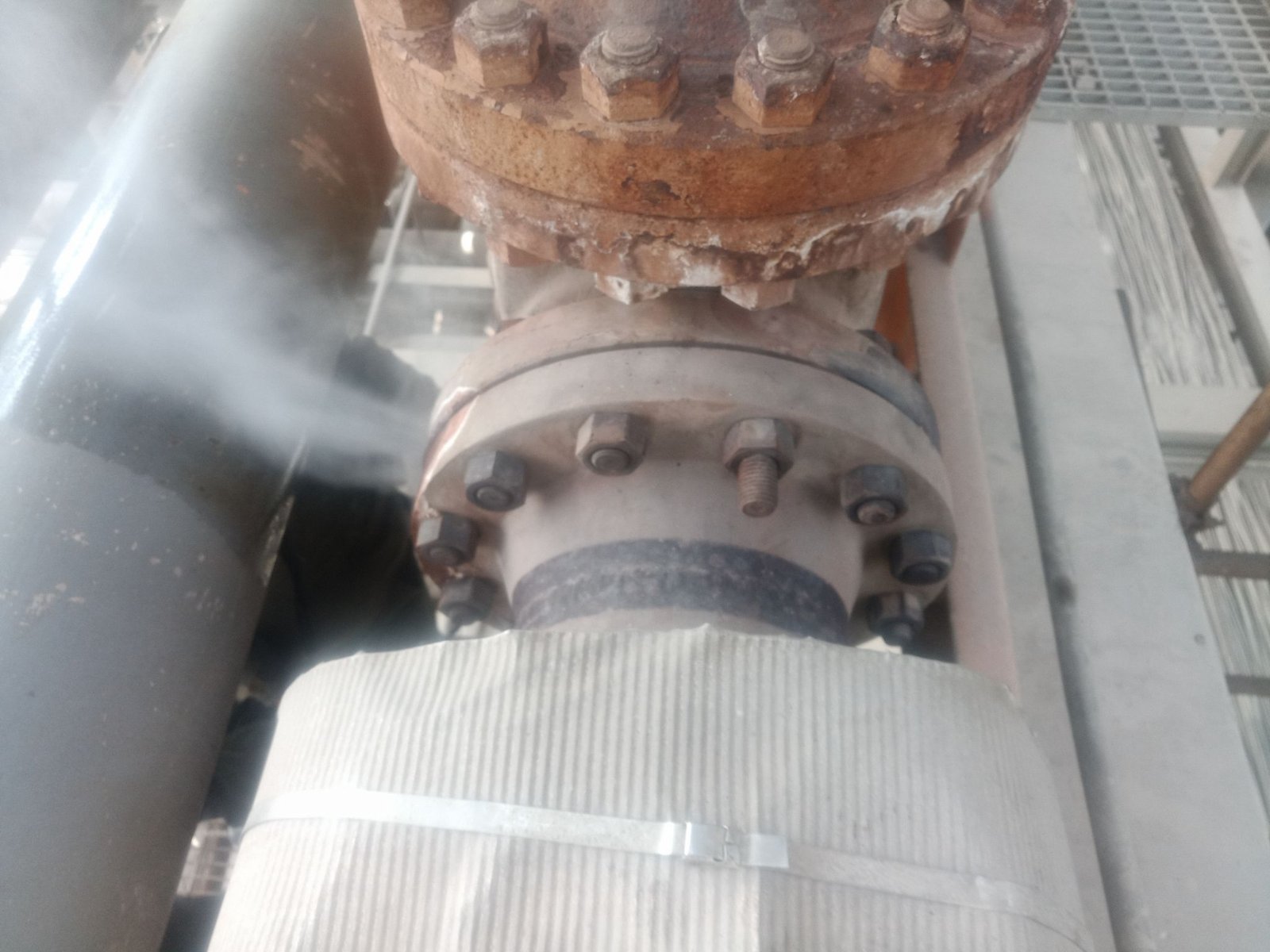
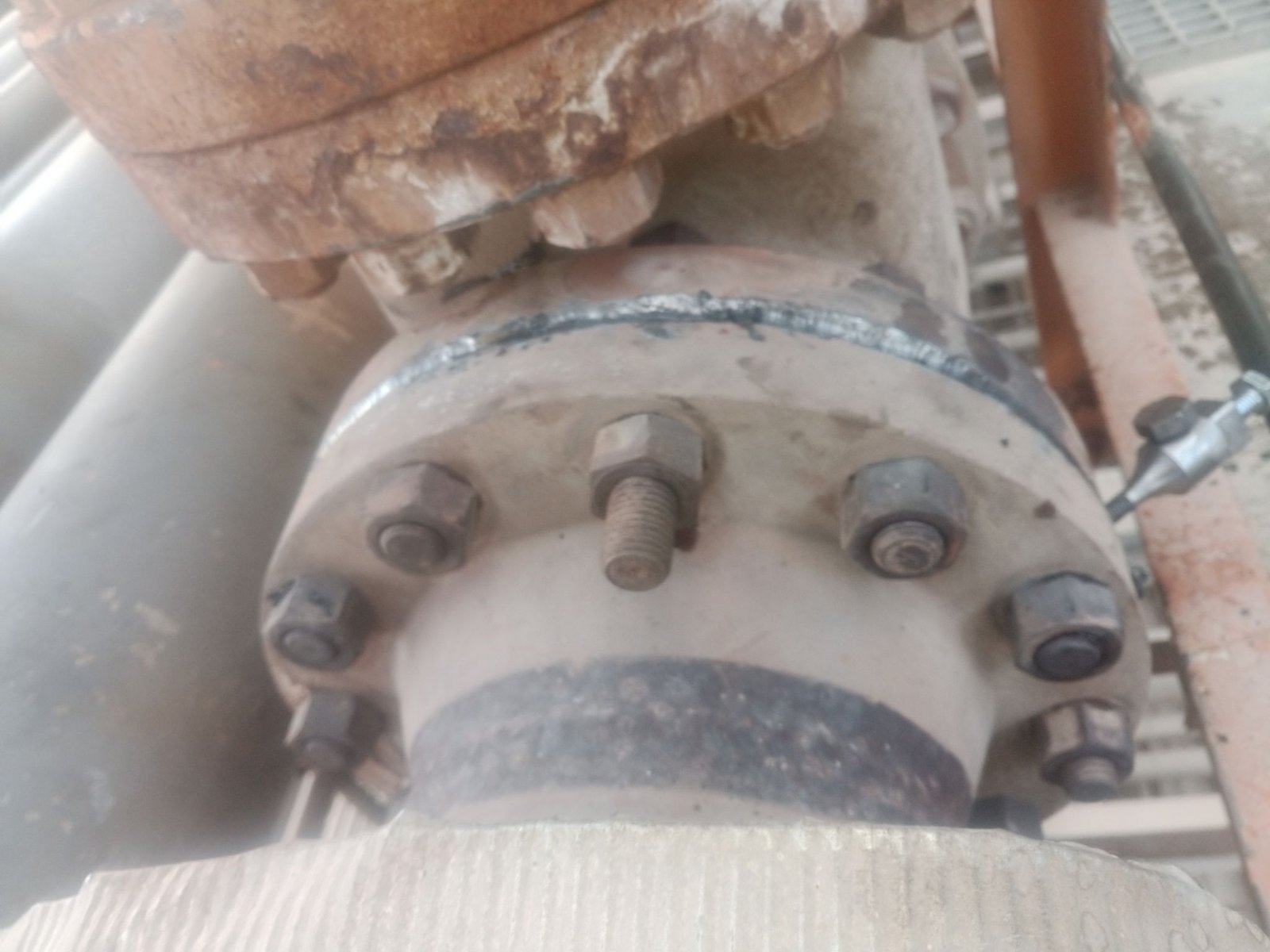
Flanges, Couplings & Unions
Leaking gasket joints, deformed flange faces, and failed bolted connections — restored with custom clamp-and-seal solutions.
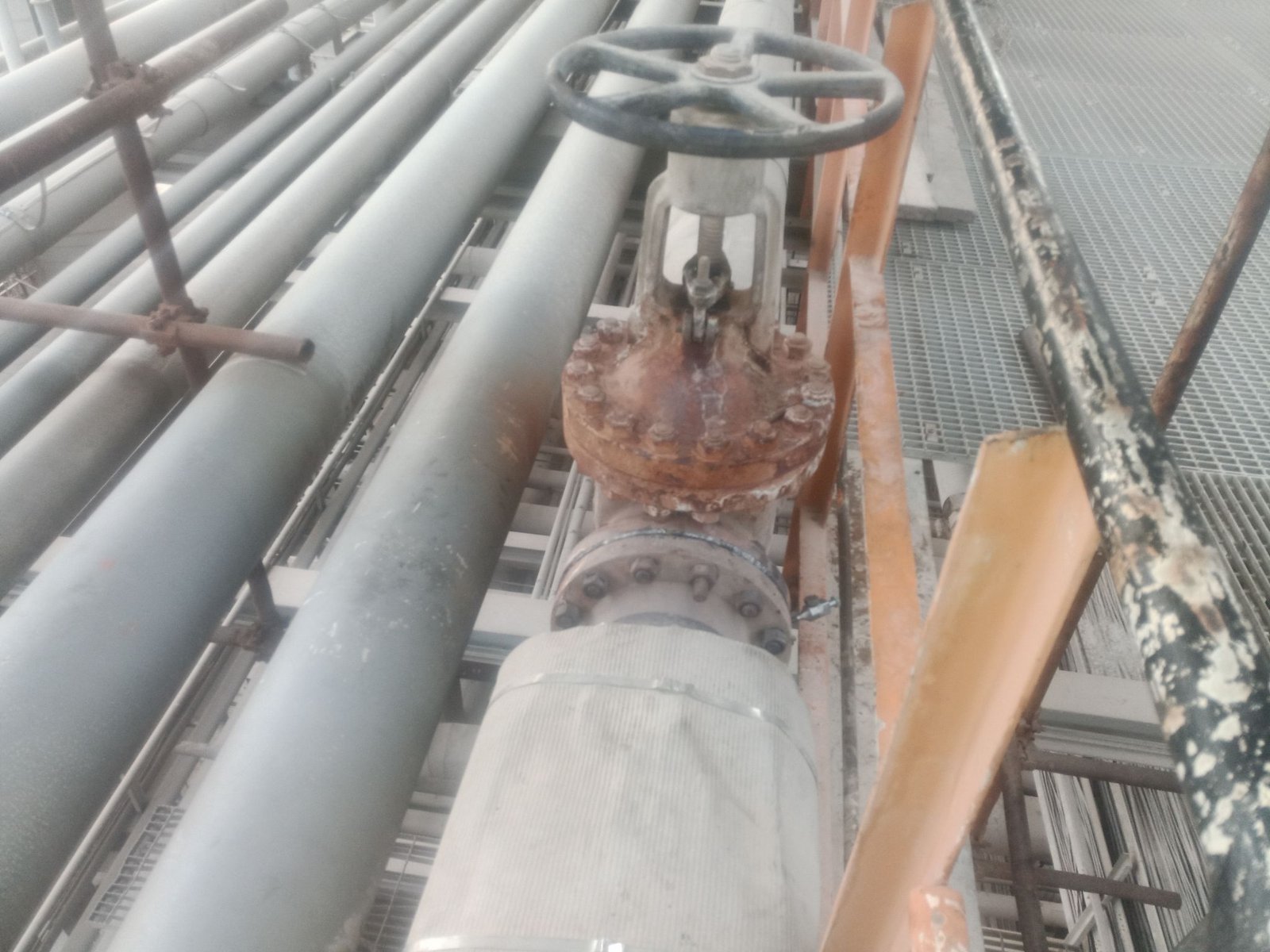
Valves & Bonnet Seals
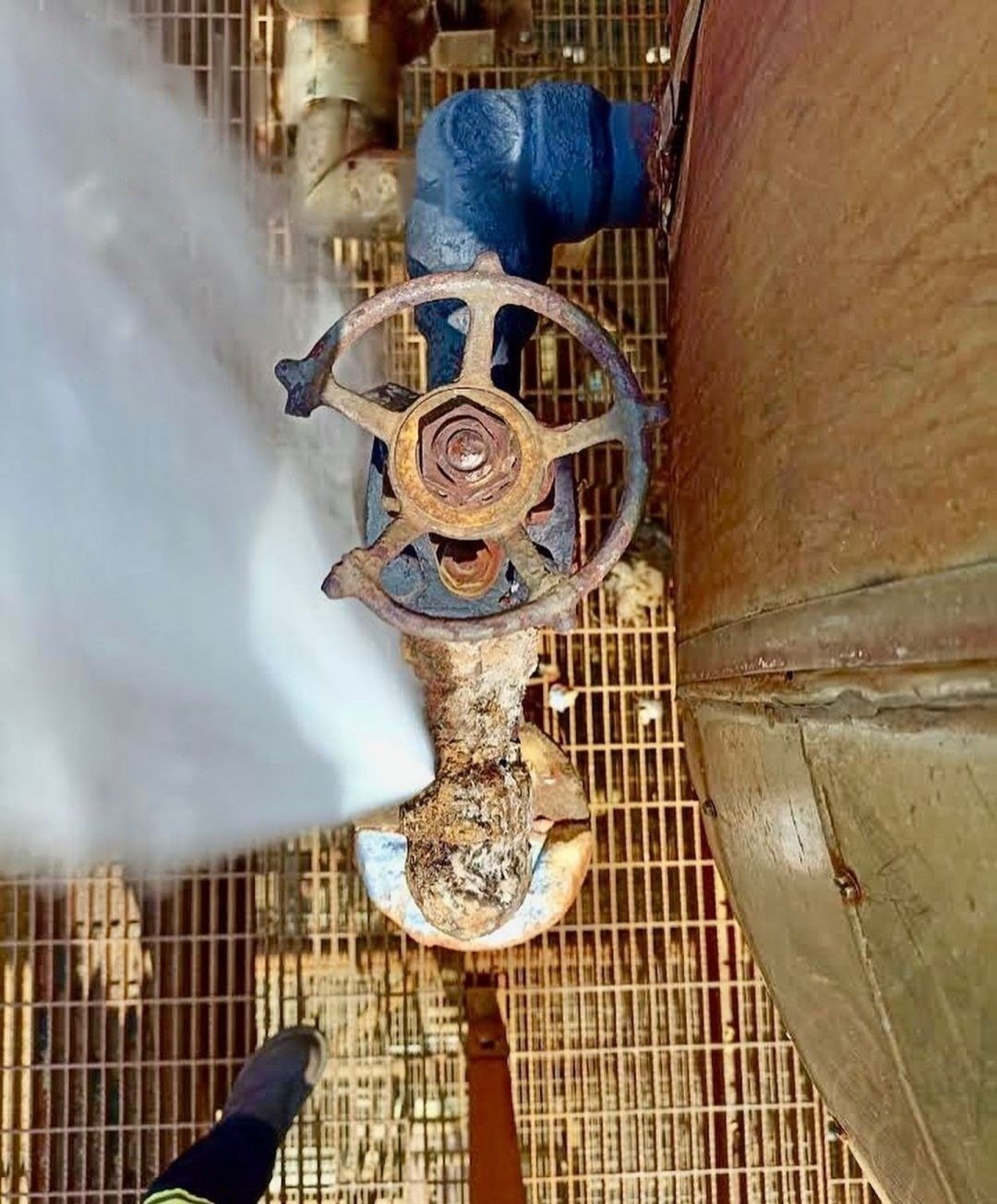
Stem leaks, gland packing failures, and body seal leaks — contained while valves remain under full process load.
Pressure Vessels & Static Equipment
Nozzle leaks, shell defects, and weld zone failures across reactors, columns, heat exchangers, and storage tanks.
Heat Exchangers
Tube-to-tubesheet joint leaks and channel cover seal failures, including large-diameter flanges up to 2.4m OD.
Expansion Joints & Fittings
Flexible containment solutions for high-stress components and complex geometries.
Operating Capabilities
Parameter | Capability |
Pressure | Up to 350 bar |
Temperature | Subzero to 600°C |
Media | Steam, hydrocarbons, gases, chemicals, acids, solvents, pressurized water |
Component Size | All pipe and flange diameters, including large heat exchanger flanges up to 2.4m OD |
Our Process
- Engineering & Clamp Design
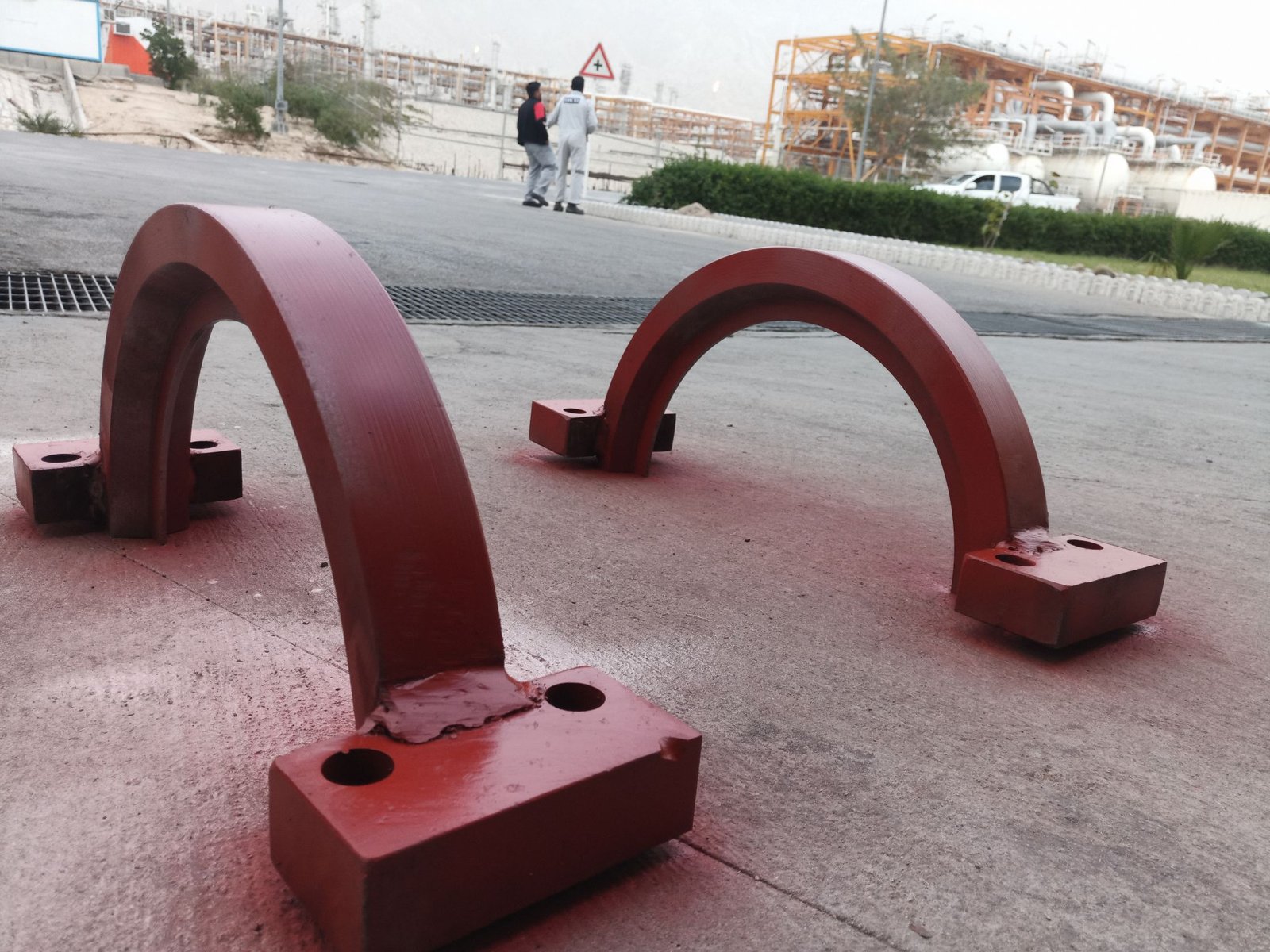
Every leak is unique. Our engineers assess the leak location, component geometry, operating conditions, and failure mode before designing a custom enclosure precisely matched to the component’s dimensions and leak geometry. All clamps are engineered to withstand system pressure, temperature, and external loads in accordance with ASME Section VIII Division 1.
- Sealant Selection
Sealants are selected based on:
- Temperature range — matched to system operating conditions
- Chemical compatibility — resistant to the specific process media
- Curing characteristics — formulated to cure within the leak path and form a durable, lasting seal
- Clamp Installation
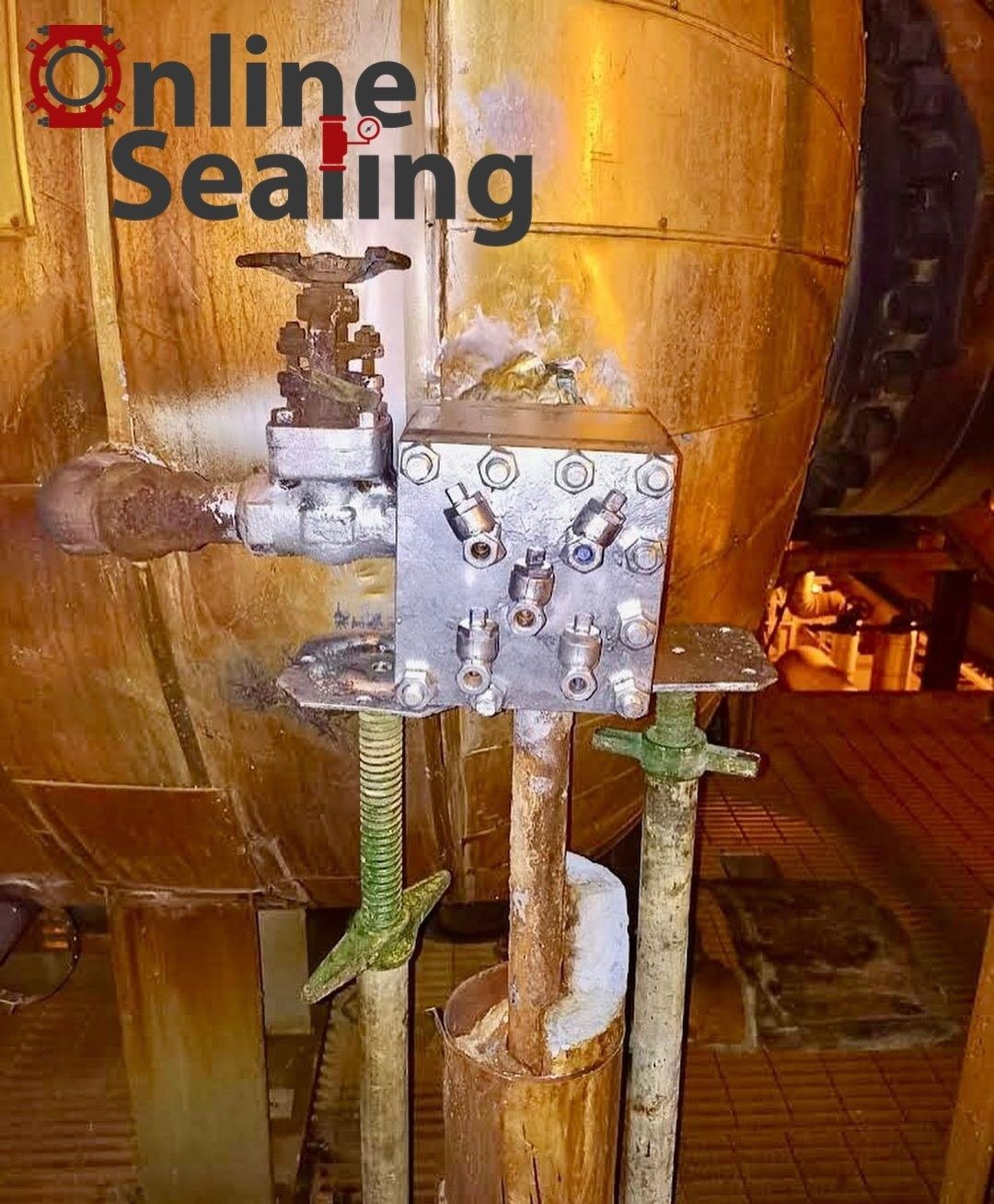
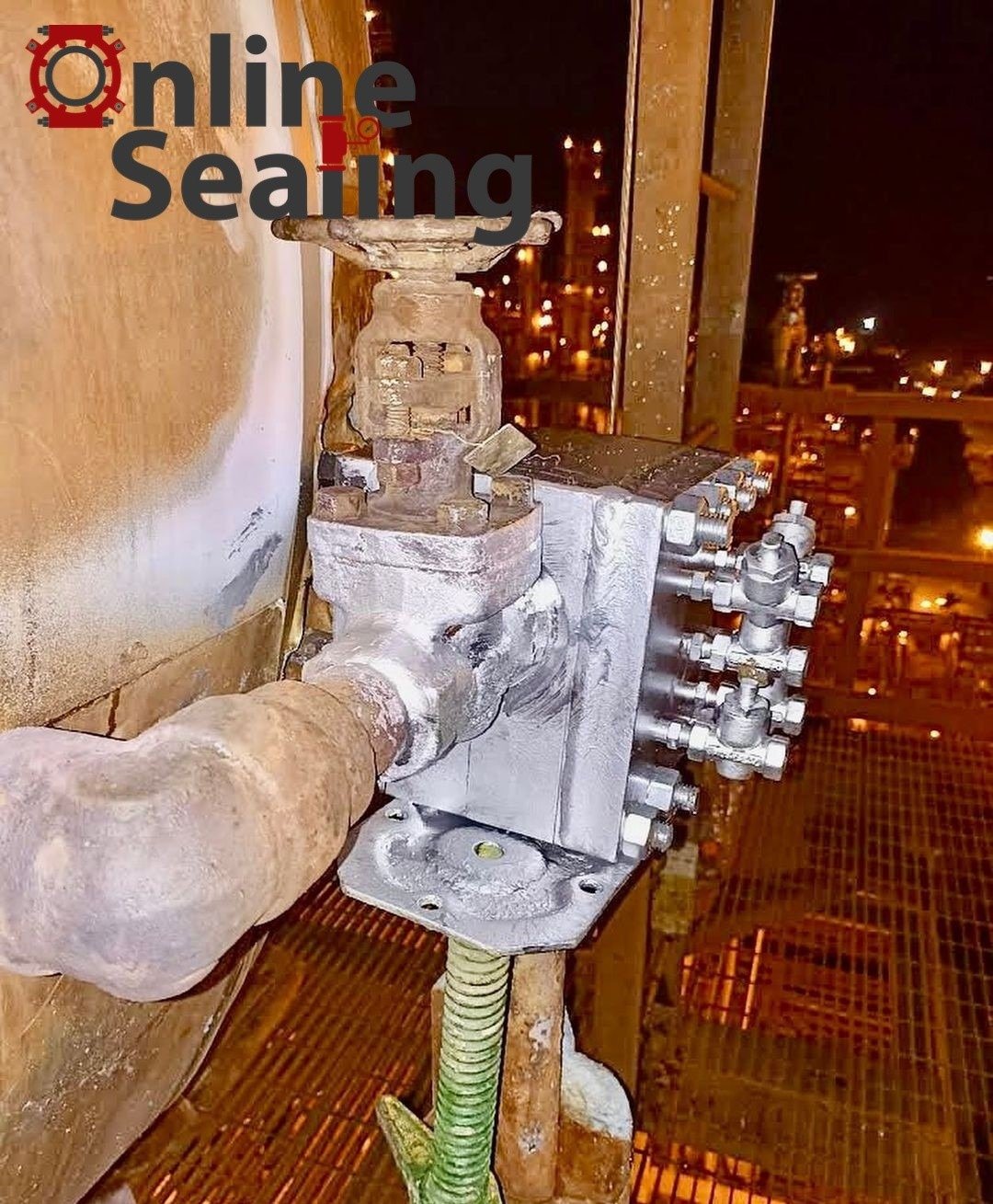
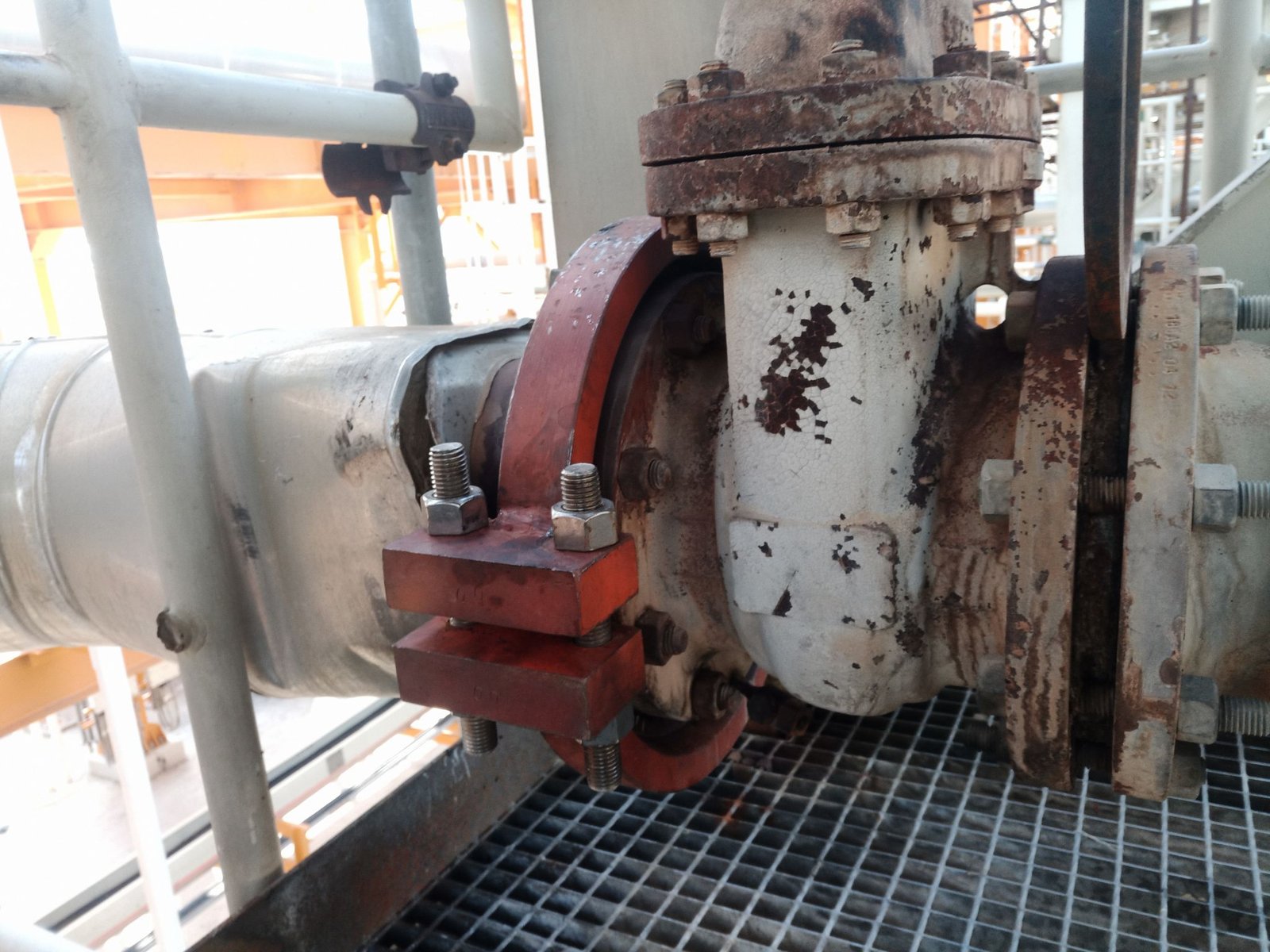
The custom-engineered clamp is positioned over the leaking area and secured. For complex geometries — including T-joint cracks, high-vibration environments, and large heat exchanger flanges — specialized multi-piece clamps are designed and, where required, machined to exact dimensions using in-situ machining technology.
- Sealant Injection
High-pressure injection equipment delivers sealant through purpose-designed ports in the clamp. Sealant fills the cavity surrounding the leak, penetrating all gaps, voids, and defect paths until the leak is fully contained. For flange leaks, sealant is injected directly between flange faces, forming a new molded gasket within the existing joint.
- Curing & Validation
Following injection, the sealant cures to form a permanent, pressure-containing seal. Post-repair verification confirms leak elimination and seal durability under live operating conditions.
Compliance & Documentation
All online leak sealing work is performed in accordance with:
- ASME PCC-2 — Repair of Pressure Equipment and Piping
- ASME Section VIII Division 1 — Design of pressure-containing enclosures
- Client-specific procedures and site requirements
Every completed seal is supported by comprehensive documentation: pre-job analysis, custom design calculations, material certifications, QA/QC records, and final compliance certification.
Safety as a Foundation
Working on live, pressurized systems containing hazardous media demands rigorous safety discipline. Tanqeb’s protocols include:
- Thorough risk assessment before every job
- Engineered solutions that eliminate hot work wherever possible
- Strict adherence to site permit-to-work requirements
- Continuous monitoring throughout sealant injection
- Comprehensive emergency response planning
Industries We Serve
- Oil Refineries
- Petrochemical Plants
- Natural Gas Processing Facilities
- Power Generation (including Nuclear)
- LNG Terminals
- Offshore Platforms and FPSOs
- Chemical Processing
- Pharmaceutical Manufacturing
- Pulp and Paper
- Steel and Metal Production
The Tanqeb Commitment
Every online leak sealing project is backed by custom engineering, proven sealant technology, and full compliance documentation. Tanqeb mobilizes rapidly, executes with precision, and delivers seals designed to last — protecting your operations, your personnel, and your environment.
When a leak cannot wait for a shutdown, Tanqeb delivers the solution.
